AFRICAN STORIES

Products

Coffee

The coffee we casually sip every day undergoes a complex and labor-intensive journey before it reaches our lips. Coffee beans are agricultural products, and various factors such as rainfall, altitude, temperature, sunlight exposure, and variety influence their taste and production from planting to fruition. Furthermore, harvesting and refining methods add further nuances, offering different flavors and aromas even from coffee grown in the same region.

To deliver a delicious cup of coffee, we go the extra mile at every stage, from the farm to the consumer country. It’s our commitment to each cup, a dedication made possible because we’re a farm.
PROCESS

We leverage the individual characteristics of coffee varieties through three distinct processes.

Natural Process

With a rich and vibrant pod-like aroma akin to berries and red wine.
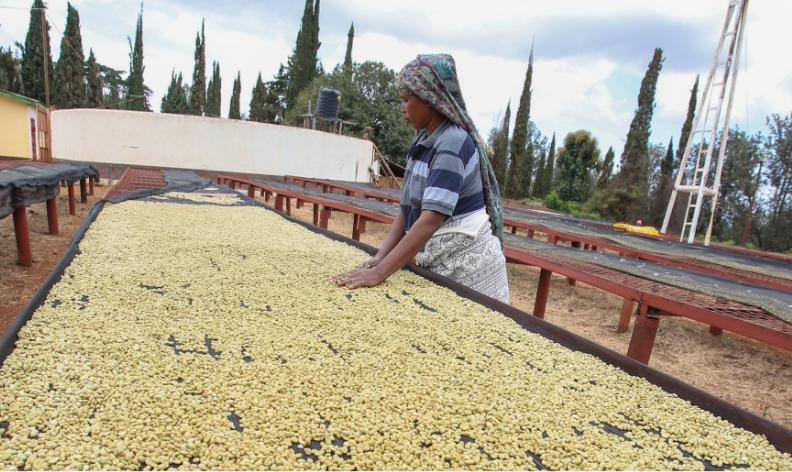
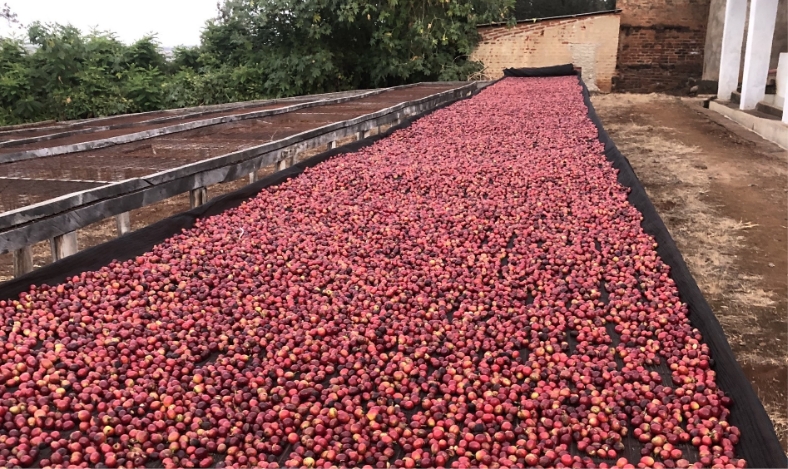
  • The beans are dried for approximately three weeks on African beds without removing the pulp.
  • This allows the sweetness and fruity flavors from the pulp to fully penetrate the beans, resulting in a wonderfully rich aroma.
  • Careful attention is required to prevent spoilage during drying with the pulp intact, but the result is a flavor and aroma that are rich and nuanced.
  • Acidity
    4
  • Bitterness
    2
  • Sweetness
    3
  • Body
    3
  • Aroma
    5

Honey/Semi-Washed

A fruity sweetness reminiscent of oranges with a refreshing acidity.
  • After removing the pulp with a pulper, the beans are laid out on African beds for sun-drying without undergoing fermentation.
  • This allows the beans to absorb the sugars from the mucilage, resulting in a broadening of refreshing acidity and sweetness.
  • Acidity
    4
  • Bitterness
    3
  • Sweetness
    4
  • Body
    3
  • Aroma
    4

Washed-Pulping Process

A traditional refining method in Tanzania, this process results in a clean cup with a bright profile despite its rich heritage.
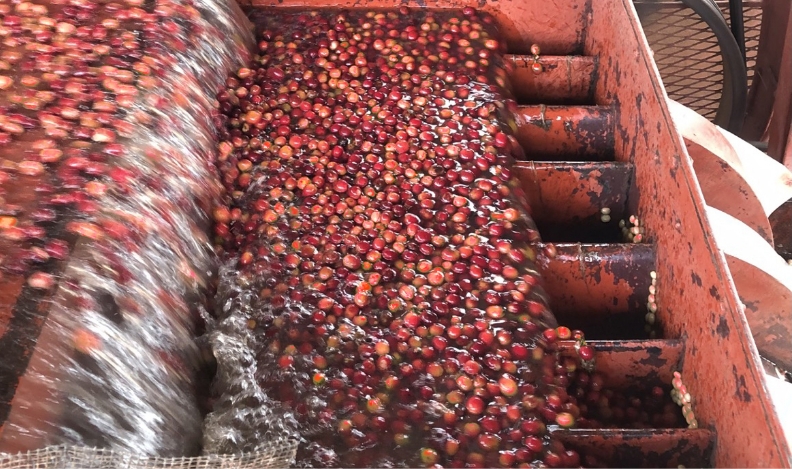
  • From harvested cherries, the pulp is removed using a pulper on the same day, followed by fermentation in tanks for 12 to 24 hours to break down and remove the mucilage from the surface.
  • Using spring water from the Ngorongoro Mountains, the beans are washed and then subjected to a floating inspection to separate heavy and light beans. Afterward, they are laid out on African beds to dry for approximately two weeks.
  • Acidity
    3
  • Bitterness
    4
  • Sweetness
    4
  • Body
    5
  • Aroma
    4

Farm

While inheriting a century-old farm, we continuously enhance the quality of our coffee, ensuring that our farm evolves with further improvements.

Soil Quality Focus

  • In our pursuit of producing exceptional coffee, we have dedicated considerable time and effort to improving soil quality over many years.
  • We utilize cow manure from local dairy cows, aiming for organic, environmentally friendly practices that align with the soil characteristics of the region.

Varietal Focus

  • We prioritize varieties within the Arabica species, specifically the Bourbon-Typica lineage, including the Blue Mountain, Kent, and SL28.
  • Collaborating with Tanzania’s governmental agricultural research institution, TaCRI (Tanzania Coffee Research Institute), we are advancing the development of optimal varieties tailored to the soil conditions of our land.

Attention to Data Analysis

  • Prior to quality inspection at the destination dry mill (hulling and sorting facility), we conduct raw bean analysis using light spectrum technology right at the farm. This allows us to swiftly address quality management and improvement on-site with a sense of urgency.

Harvesting Management

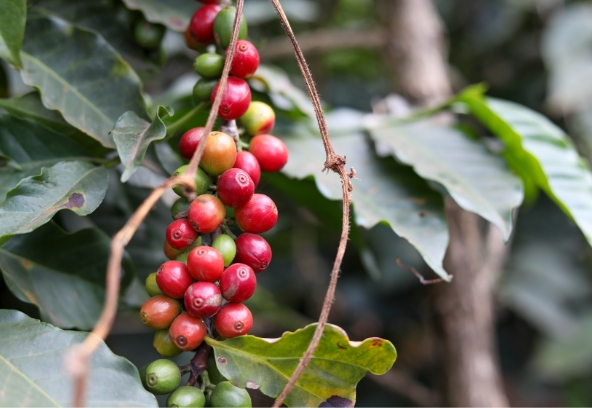
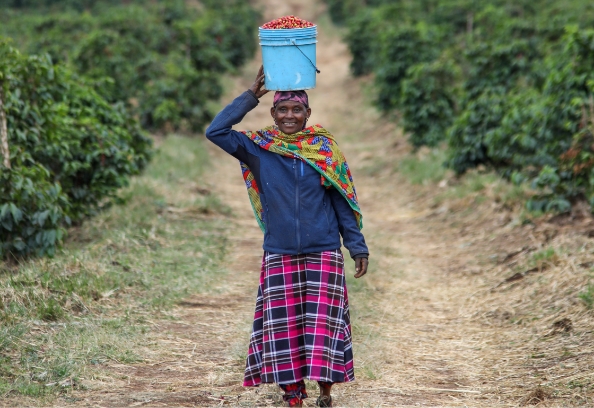
  • Skilled pickers meticulously select only the fully ripe, red beans for harvesting.
  • The harvested beans undergo processing on the same day to maintain freshness and flavor.

Plot management

  • Each farm is divided into approximately 10 to 30 plots, each with varying factors such as tree age, sunlight exposure, elevation, temperature, fruit ripeness, and soil conditions.
  • Therefore, we carefully manage each plot, producing coffee with optimal cultivation methods tailored to its specific characteristics.
Online Store
VISIT US

ンゴロンゴロ農園見学のご紹介